
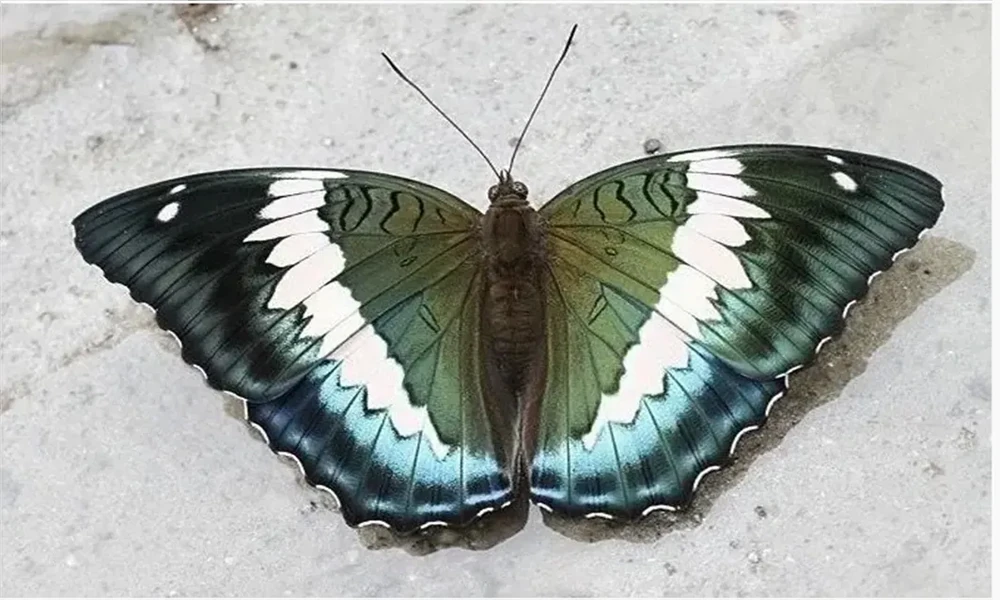
Quick answer: Sikkim holds close to 700 butterfly species, and the richest macro-photography spots sit in Dzongu in North Sikkim and around Ravangla and Lingee in South Sikkim. Dzongu alone has over 400 recorded species. Plan your shoot between June and October, carry a 90 to 105 mm macro lens, and note that Dzongu needs a special permit issued only to Indian citizens.
Why are the butterflies of Sikkim worth the trip?
Sikkim packs an unusual number of butterflies into a small state. Records point to nearly 700 species, a big share of all the butterflies found in India. The reason is elevation. In a single day you can move from warm river valleys around 800 metres to cold forests above 3,000 metres, and each band of forest keeps its own set of species.
The state even has its own flagship insect. In June 2022 the Blue Duke (Bassarona durga) was declared the State Butterfly of Sikkim after a public vote. You will find it below 1,500 metres, in places like Hee-Gyathang and Passingdong in Dzongu and Lingee in South Sikkim.
Where are the best macro-photography spots in Dzongu?
Dzongu is the standout. This protected Lepcha reserve in North Sikkim has recorded over 400 butterfly species, more than 60% of everything logged in the state. A local conservationist built that count patiently over about a decade, so the numbers are real, not marketing.
The variety comes from the forest layers. Sub-tropical hill forest carries the highest diversity, close to 400 species, while the cold sub-alpine zone near the top holds only a handful. So you shoot different subjects as you climb.
Spots worth your memory card:
- Hee-Gyathang and Passingdong: Lower Dzongu villages, good for the Blue Duke and common swallowtails near streams and citrus gardens.
- Laven, Upper Dzongu (around 1,530 m): Mixed forest edges where puddling groups gather on damp trails.
- Tholung trail (up to about 2,900 m): The walk toward Tholung Monastery passes higher-altitude species you will not see lower down.
Dzongu is also where the skipper Zographetus dzonguensis was described as a species new to science and named after the valley. Rare swallowtails such as the Krishna Peacock (Papilio krishna) and the Kaiser-i-Hind (Teinopalpus imperialis) have been photographed here too, though those sightings need luck and patience.
What can you photograph in South Sikkim?
South Sikkim is gentler to reach and a fine base if permits or time are tight. The hub is Ravangla, close to Maenam Wildlife Sanctuary, which climbs from about 200 metres to 3,000 metres at Maenam Top. The trail up is quiet and shaded, which suits slow macro work.
Lingee, one of the known Blue Duke sites, sits in this district too. For flower-rich forest, the wider Namchi and Tendong belt gives you open glades where butterflies bask in the morning sun.
When is the best time to shoot butterflies in Sikkim?
Warm, wet months bring the most butterflies. The stretch from June to October, through the monsoon and just after, is when activity peaks and host plants are in leaf. Mornings after overnight rain are gold, because butterflies sit still to warm up and are easy to approach.
Spring, roughly March to May, is quieter for insects but pairs well with rhododendron blooms at higher sanctuaries. Deep winter is slow at altitude.
| Season | Months | What to expect |
|---|---|---|
| Monsoon | Jun to Sep | Peak numbers, damp trails, puddling groups |
| Post-monsoon | Oct | High activity, clearer skies, best light |
| Spring | Mar to May | Fewer butterflies, rhododendrons in bloom |
| Winter | Dec to Feb | Sparse at altitude, some low-valley activity |
Do you need a permit for Dzongu?
Yes, and this catches many people out. As of 2026, Dzongu is a protected reserve open only to Indian citizens. You need the standard Sikkim Inner Line arrangement plus a special Dzongu permit routed through the authorities at Mangan, the North Sikkim district headquarters.
The route is simple. Send a scanned ID and a photo to a registered Dzongu homestay or a local operator ahead of time, and they arrange the paperwork. You submit your original permit at the Sankalong check-post before entering. Foreign nationals are not allowed into Dzongu, so plan South Sikkim instead if that applies to your group.
What gear works for butterfly macro in Sikkim?
You do not need a huge kit. A short telephoto macro helps you keep distance from skittish subjects.
- Lens: A 90 to 105 mm macro is the sweet spot; a 150 to 180 mm helps with shy species.
- Light: A small diffused flash tames the deep forest shade.
- Support: A monopod for damp, sloping trails; leeches are common in the monsoon, so wear socks and carry salt.
- Timing: Shoot early. By late morning many species are too active to frame.
FAQ
How many butterfly species are found in Sikkim?
Records point to close to 700 species, one of the highest counts of any Indian state, thanks to its wide range of altitudes.
What is the State Butterfly of Sikkim?
The Blue Duke (Bassarona durga), declared in June 2022. It lives below 1,500 metres and is seen in Dzongu, Lingee and near Gangtok.
Is Dzongu open to tourists?
Yes, for Indian citizens with the right permit. Foreign nationals are not permitted. Arrange the permit through a registered homestay or local operator before you arrive.
Which is better for butterflies, Dzongu or South Sikkim?
Dzongu has far more species, but South Sikkim around Ravangla is easier to reach and permit-free. Many photographers do both.
When will I see the most butterflies?
From June to October, especially on sunny mornings after rain. Post-monsoon October gives strong numbers with cleaner light.
Do I need special gear?
A 90 to 105 mm macro lens, a diffused flash and early starts cover most situations. Nothing exotic is required.
Are there leeches on the trails?
Yes, in the monsoon. Wear high socks, tuck in your trousers and carry salt or a repellent.
Explore more
For more on butterfly trails, permits and slow-travel routes across the state, explore https://sikkimtourism.org/