
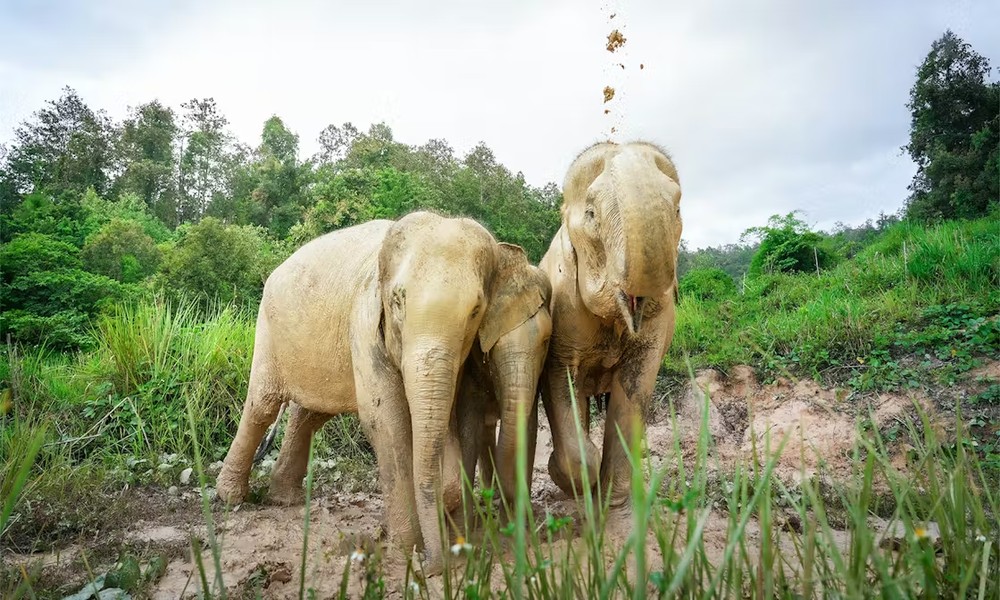
Interest in responsible wildlife tourism has grown as more travelers look beyond traditional attractions. Choosing an ethical elephant sanctuary thailand is one way to support organizations that focus on rescue, rehabilitation, and lifelong care instead of entertainment. These sanctuaries create environments where elephants can recover from difficult past experiences while living in conditions that respect their natural behavior.
Understanding how ethical sanctuaries operate makes it easier to recognize the positive impact they have on both elephants and conservation efforts.
Every Rescue Has a Different Story
Many elephants living in sanctuaries arrive from very different backgrounds. Some spent years working in industries that demanded physical labor, while others were part of tourism activities that placed constant pressure on them.
Their experiences can affect their health, behavior, and social interactions. Because of this, every rescue requires an individual care plan rather than a single approach for all elephants.
Providing a safe home is only the beginning. Recovery often continues throughout the elephant’s life.
Creating an Environment That Feels Natural
A well-designed sanctuary gives elephants the freedom to make their own choices.
Instead of following schedules created for visitors, elephants decide when they want to eat, walk, rest, explore, or spend time with other members of the herd. Large open spaces allow them to move comfortably while enjoying activities that are part of their natural daily routine.
This freedom helps reduce stress and encourages healthier physical and social behavior.
Long Term Care Requires Daily Commitment
Looking after rescued elephants is a continuous responsibility.
Each day includes preparing large amounts of food, monitoring health, maintaining living areas, and observing changes in behavior. Care teams also work closely with veterinarians whenever medical treatment or regular health checks are needed.
Because elephants have long life spans, ethical sanctuaries plan for decades of ongoing care rather than temporary rehabilitation.
Education Is Part of Conservation
Protecting elephants involves more than providing shelter.
Ethical sanctuaries also educate visitors about elephant welfare, responsible tourism, and the importance of supporting humane wildlife experiences. As people learn more about the challenges elephants have faced, they become better prepared to make informed travel decisions.
Education creates awareness that continues long after the visit has ended.
Tourism Can Support Positive Change
Tourism is often viewed only as a way to explore new places, but it can also become a force for conservation.
When visitors choose ethical sanctuaries, their support helps fund important areas such as:
- Rescue and rehabilitation
- Nutritious daily feeding
- Veterinary care
- Habitat improvements
- Professional elephant care teams
- Public education programs
These contributions allow sanctuaries to continue providing safe homes for elephants while expanding their conservation efforts.
Recognizing Responsible Wildlife Experiences
Travelers sometimes find it difficult to distinguish between ethical and non-ethical attractions.
A responsible sanctuary generally focuses on elephant welfare rather than entertainment. Visitors are encouraged to observe rather than control the animals, allowing elephants to behave naturally without unnecessary pressure.
Clear information about rescue work, animal care, and welfare policies also reflects an organization’s commitment to transparency.
Taking time to research before booking helps travelers make choices that align with responsible tourism values.
Small Decisions Create Lasting Impact
Every visitor becomes part of a much larger effort.
Choosing an ethical sanctuary sends a message that animal welfare matters. As more travelers support organizations with high welfare standards, the demand for responsible wildlife experiences continues to grow.
Over time, this shift encourages better practices throughout the tourism industry while providing rescued elephants with safer places to live.
Looking Toward the Future
The future of elephant conservation depends on continued public awareness, responsible tourism, and organizations dedicated to lifelong animal care. Sanctuaries such as Samui Elephant Haven demonstrate that rescue, education, and compassionate management can work together to improve the lives of elephants that have experienced difficult circumstances.
By visiting an ethical elephant sanctuary Thailand, travelers do more than enjoy a memorable experience. They help support a model of tourism that values respect, conservation, and long-term welfare, creating positive outcomes for both elephants and future generations.