
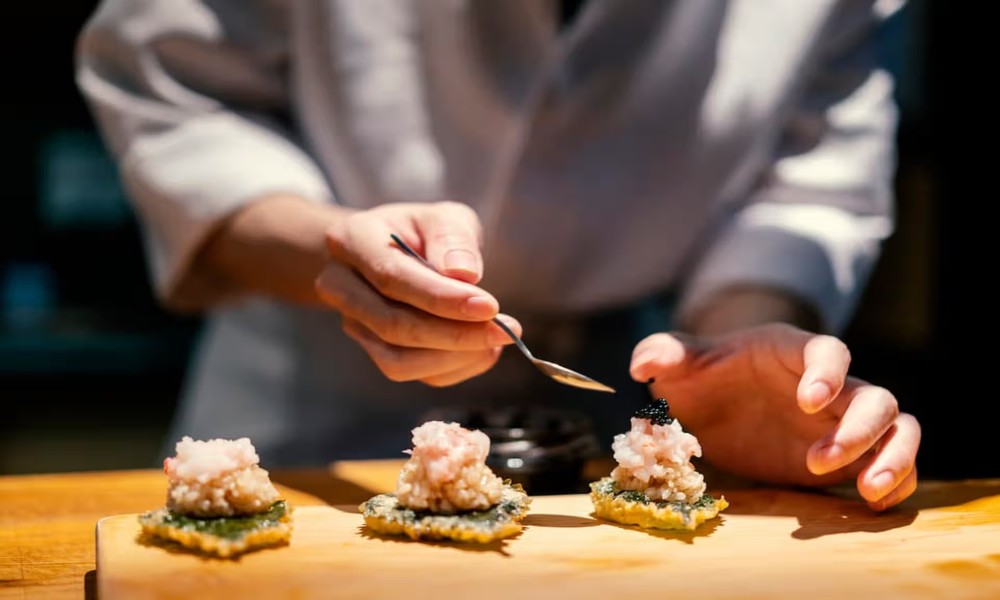
Thai cuisine carries stories beyond flavor alone. Every recipe reflects local customs and shared memories. Those details matter because food culture changes quickly. Skilled chefs understand this challenge from daily experience. Their kitchens protect valuable practices through careful choices. Travelers seeking 1 michelin star thai food bangkok experiences often notice this commitment. They enjoy refined meals while discovering culinary heritage. Through ingredients, preparation, and mentorship, tradition remains relevant today.
Traditional Methods Remain Part of Daily Kitchen Life
Modern equipment saves effort during busy service periods. Yet experienced cooks still value older preparation techniques. Those approaches shape texture, aroma, and overall character.
Several practices remain important:
- Hand-pounded curry mixtures develop deeper flavor.
- Clay vessels create balanced cooking conditions.
- Charcoal heat adds distinct surface character.
- Fresh broths require patient preparation.
- Careful slicing protects ingredient quality.
Each technique carries practical knowledge forward. Their value extends beyond simple recipe instructions.
Why Regional Ingredients Still Define Authentic Thai Food
Across Thailand, landscapes influence culinary identity. Coastal areas offer different resources than mountain regions. As a result, ingredient choices vary considerably.
Fresh herbs bring distinctive fragrance to local specialties. Native fruits contribute unique sweetness and acidity. Seafood reflects nearby waters and seasonal conditions. Farmers preserve agricultural traditions through continued cultivation. Their contributions help maintain recognizable regional flavors.
Without those ingredients, cultural identity weakens over time. For this reason, sourcing decisions matter greatly.
Balancing Innovation With Culinary Heritage
Food culture never stands completely still. New audiences arrive with different expectations and preferences. Skilled professionals recognize this reality every day.
In respected 1 michelin star thai food bangkok venues, presentation may evolve thoughtfully. However, core flavor foundations remain closely connected to tradition. A dish might appear contemporary on arrival. Its seasoning still reflects established culinary principles. This balance allows heritage to remain visible. At the same time, diners enjoy a fresh experience.
How Knowledge Moves Between Generations
Recipes reveal ingredients and preparation steps. However, written instructions cannot capture every detail. Real expertise develops through observation and repetition.
Young culinary professionals learn valuable lessons through mentorship:
- Market selection techniques
- Spice balancing methods
- Regional cooking history
- Heat management skills
Senior figures share practical insights gained through experience. Their guidance strengthens long-term preservation efforts. As knowledge passes forward, traditions remain active rather than forgotten.
Food Culture Extends Beyond Restaurant Walls
Culinary heritage depends upon wider community participation. Producers, growers, and fishing families contribute valuable expertise. Their work influences quality before preparation begins.
A regional herb farmer protects important plant varieties. A fishing household maintains established harvesting practices. Those contributions shape final dishes in meaningful ways. Restaurant teams rely upon these partnerships regularly. Together, they preserve connections between food and place.
A Living Record of Thai Identity
Hand-pounded curry mixtures represent more than technique alone. Clay vessels and local herbs tell similar stories. Each element carries cultural memory across generations. When chefs teach sourcing methods and preparation skills, they preserve knowledge beyond recipes. Future cooks inherit practical wisdom shaped through experience. As those lessons continue passing forward, Thai culinary traditions remain part of everyday dining rather than distant history.
FAQs
Why do Michelin-recognized restaurants focus on tradition?
They understand cultural value beyond presentation alone. Traditional practices preserve identity while maintaining distinctive flavors.
Do older cooking techniques improve food quality?
Yes. Hand preparation and controlled heat influence texture, aroma, and overall character.
Why are local ingredients important?
Regional produce creates flavors connected to specific locations. Those ingredients help maintain culinary identity.
Can innovation exist alongside tradition?
Yes. Modern presentation can coexist with established flavor foundations and respected preparation methods.
How do younger chefs learn traditional practices?
They gain knowledge through mentorship, observation, repetition, and direct kitchen experience.