
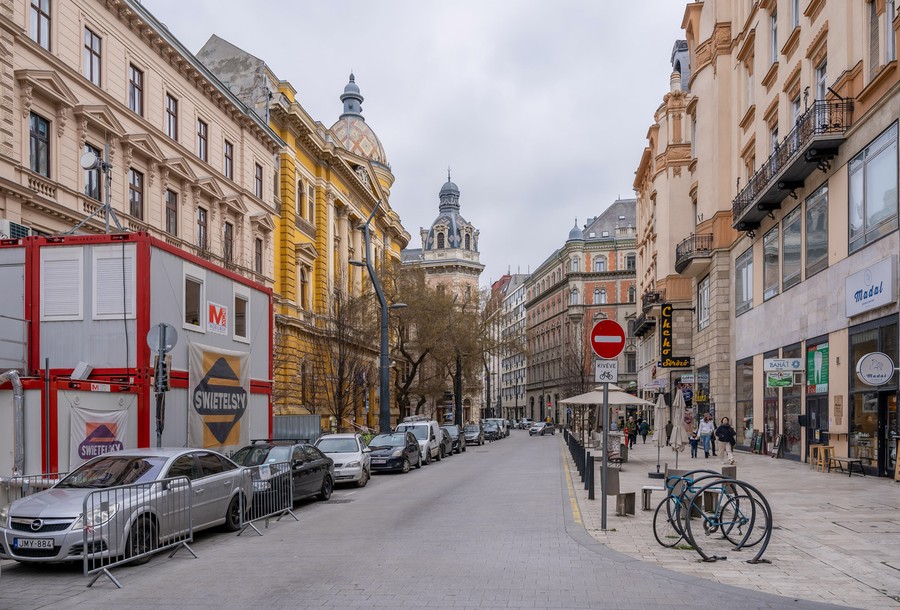
The great story of Central Europe unfolds inside the beautiful capital of Hungary. This ancient settlement witnessed massive shifts over many centuries. It grew from a wild border outpost into a grand royal powerhouse. The strategic location along the Danube River shaped the destiny of the land. Invaders fought desperate battles to control the high hills and deep waters. Go Carpathian tracks these incredible historical layers across the scenic landscape. Every grand palace tells a tale of survival and ultimate triumph. The architecture reflects the golden ages and the dark times of war. Today the city stands proud as a beacon of culture.
The Dawn of a Citadel
The earliest roots of the city date back to the ancient Celtic tribes. Roman legions arrived later to build the grand military town of Aquincum. They established huge stone amphitheatres and public thermal baths near the river. The empire eventually collapsed and left behind vast ruins of brick. Fierce Magyar clans claimed the fertile basin in the ninth century. They established a strong base in the lush heart of the land. The dynamic Hungarian capital history truly began to accelerate during this epic era. Tiny trading villages slowly appeared on both sides of the water.
Rise of the Royal Seat
Devastating Mongol raids completely leveled the open plains in the thirteenth century. King Bela built a massive stone fortress on Castle Hill for defense. This strategic move turned Buda into the ultimate political center of the kingdom. Aristocrats built beautiful homes near the safe royal court. Renaissance culture flourished beautifully under the brilliant rule of King Matthias. Scholars gathered from far away to study inside the grand palace walls. Buda became famous across Europe for its great wealth and elegance. Pest grew rapidly opposite the fortress as a busy merchant town.
The Long Shadow of Empire
The glorious golden age ended abruptly after a tragic military defeat. Ottoman forces captured the royal fortress and held it for many generations. Christian armies eventually launched a massive siege to reclaim the charred ruins. The entire region then became a province of the Habsburg Empire. Baroque builders replaced the broken walls with grand white churches. Go Carpathian shows how these imperial rulers influenced the local lifestyle. The people preserved their unique identity despite the heavy foreign pressure. Intellectuals started to plan for a bright and independent future. History-rich destinations like this are especially popular with mature travellers, and for those who would like a similar experience closer to home, seniors holiday packages in Australia offer guided heritage touring through colonial towns, goldfields and historic ports at a relaxed pace.
FAQ:
- How does Go Carpathian reveal hidden Budapest stories?
Go Carpathian uncovers overlooked historical moments through guided exploration. - Why explore Budapest with Go Carpathian services?
Experience layered history through curated local cultural journeys. - What makes Go Carpathian historical experiences different?
Every route connects architecture, heritage, and transformation. - Can Go Carpathian showcase Budapest beyond landmarks?
Yes, immersive storytelling highlights authentic historical evolution. - How does Go Carpathian bring history alive?
Expert insights turn historic locations into memorable experiences.